When working on a model for a friend or client, I always look for a prototype photo of the same number car, or a car of the same builder class. I then copy the weathering on that car, the exceptions being when a modeler wants me to freelance the weathering, or wants more or a lesser amount of weathering than what the prototype has. I have an extensive library of slides and photographs of both prototype rolling stock and locomotives at my disposal.
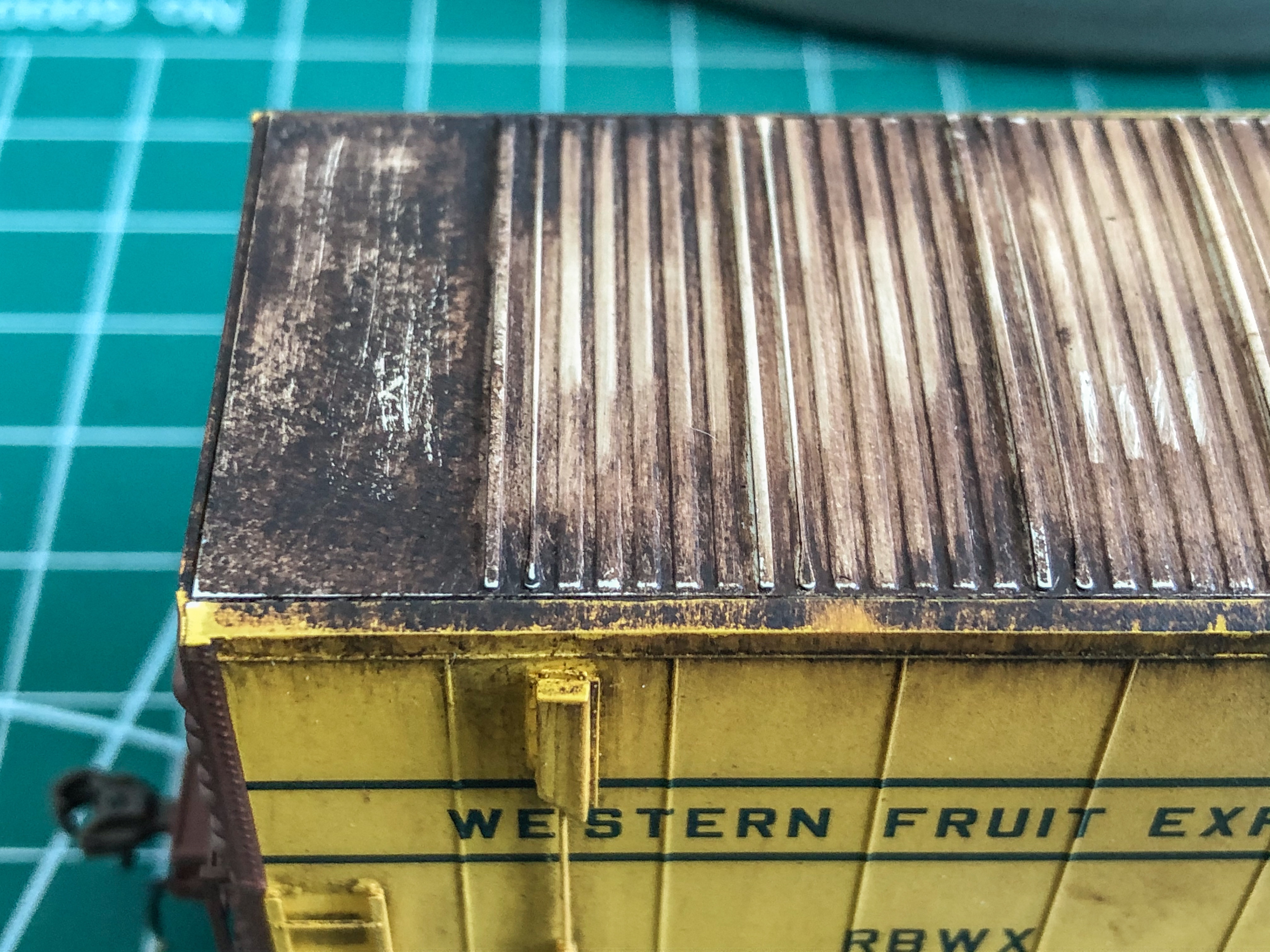
I now only use acrylic paints by Vallejo, as I’ve found the best color selection and best painting results with this brand. Their Model Air paints go on nice and smooth with an airbrush. If I’m requested to fade a car, this happens first, using a color match to the prototype, whether a straight color out of the bottle, or a color mix. Then the fun begins, using various washes, powders, sometimes oils, and more airbrush work to dirty up the car. I over the years have picked up tricks from military modelers on using rust compounds and rust washes as well. One texture I use looks like rust and when dry, feels like rust. I like to use this texture on car roofs especially.
Working on a model most of the time requires several layers of weathering, all sealed in between and allowed to dry before the next application. This is why one of my model projects usually take a week at least. I don’t believe in the “weathering in a day” theory. When doing a car, I always also paint and weather the underside, usually with dirt and or mud effects, especially on hopper car bays.
Finally, when and if I re-letter a car with patchwork, I now almost exclusively use patches and decals from SmokeBox Graphics, which I highly recommend. Of course MicroScale decals come in handy for most fallen flag roadnames. And last but not least, I also where applicable use brass ACI panels made by BLMA.
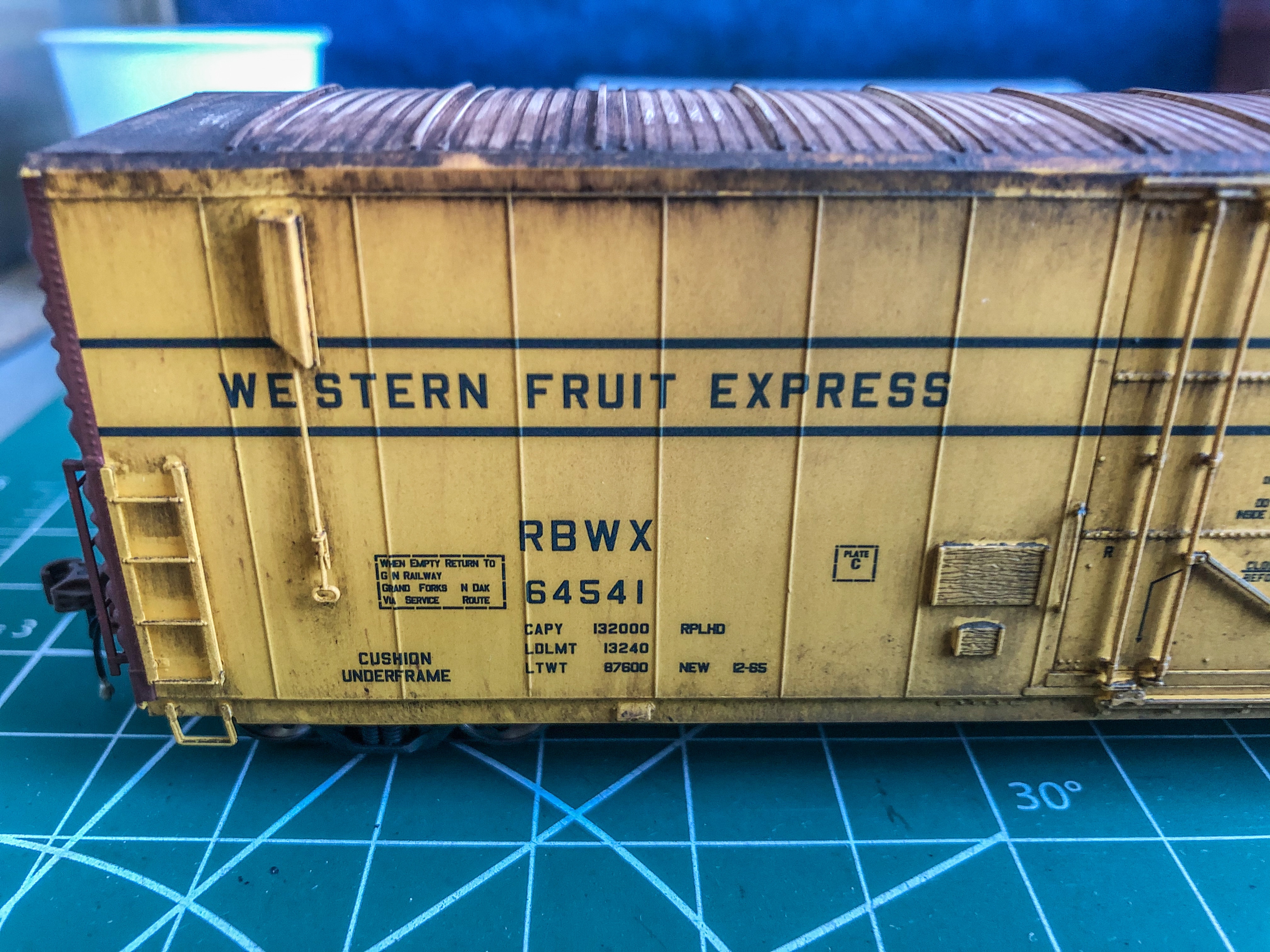
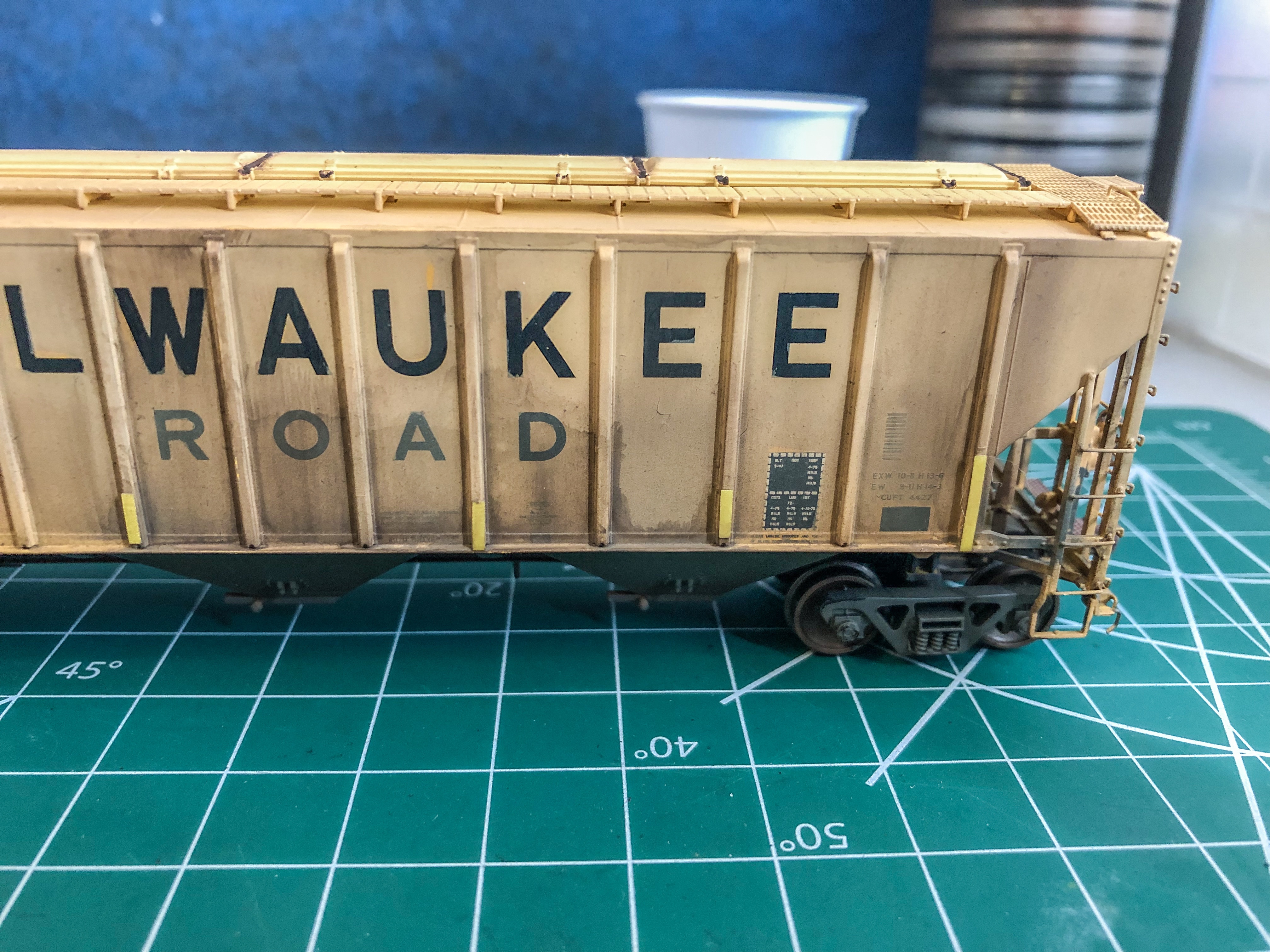
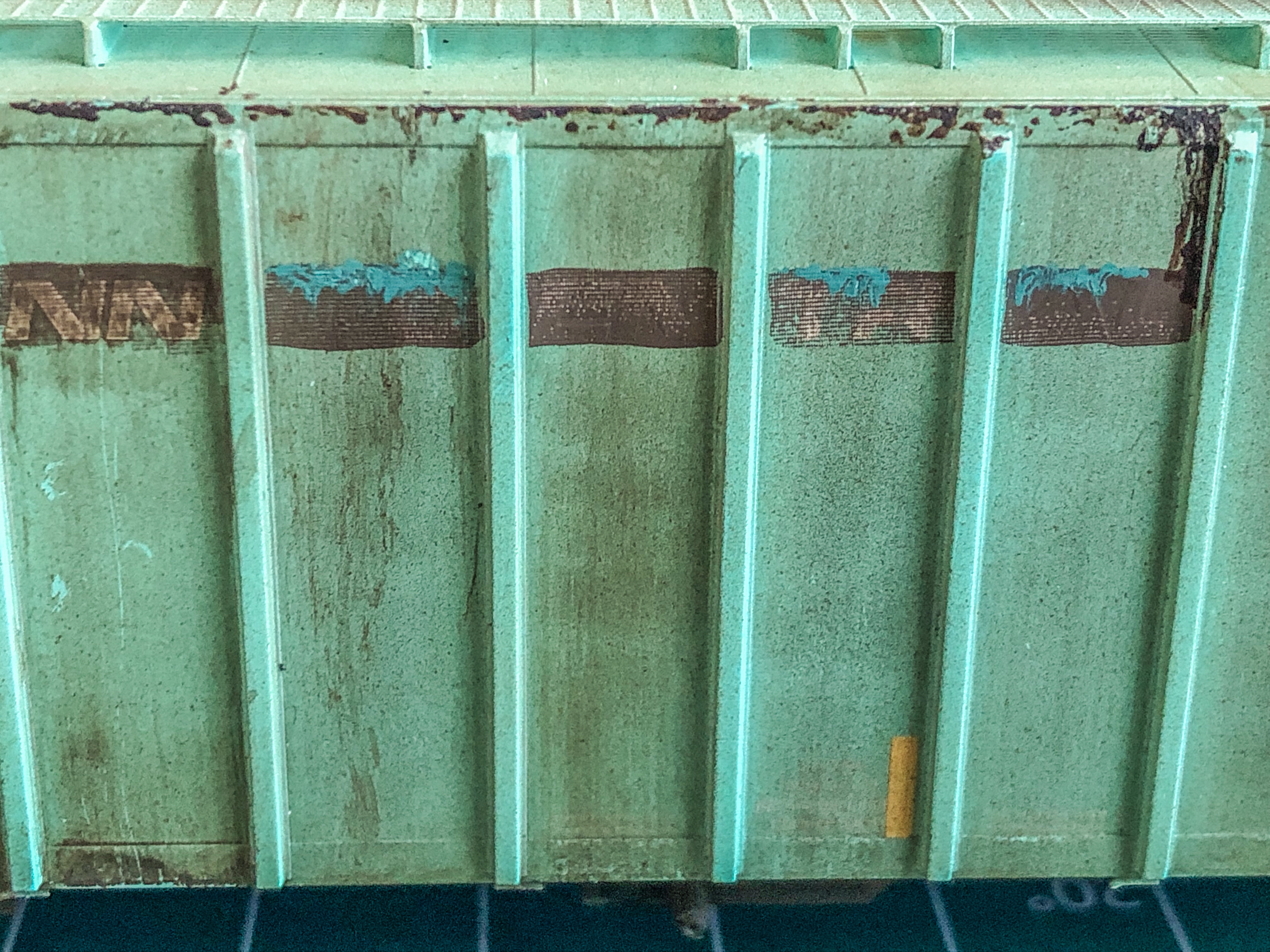
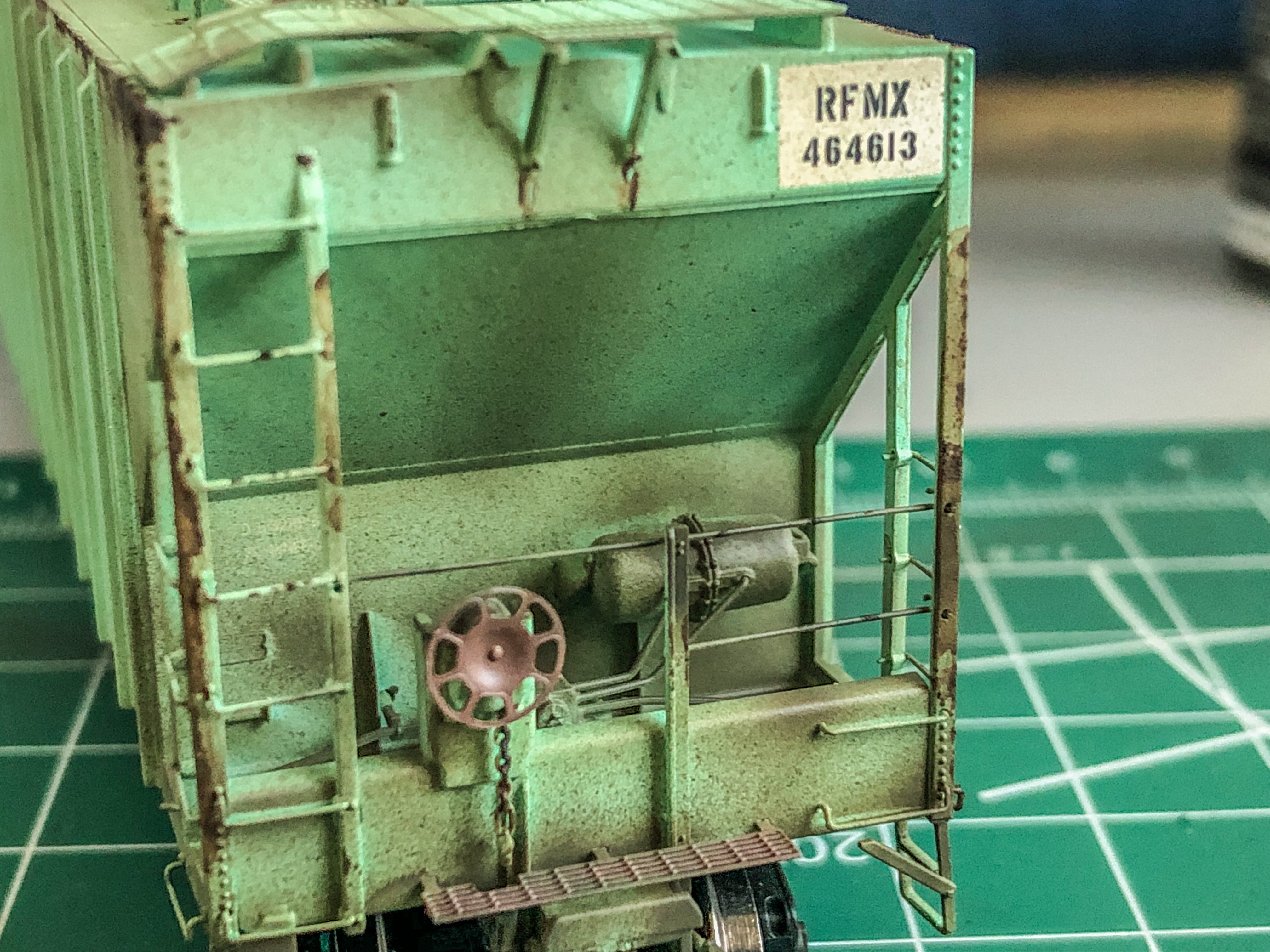
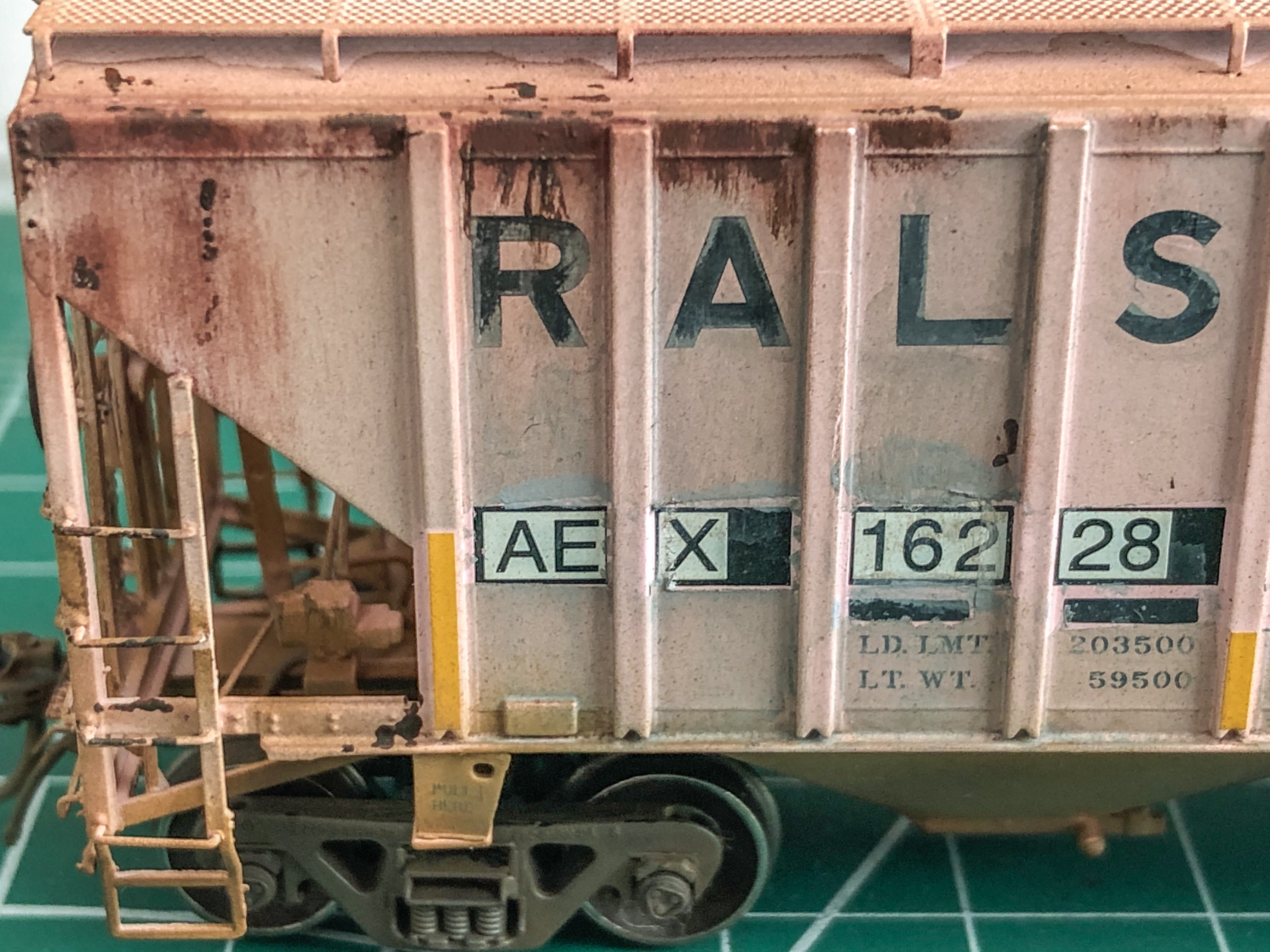
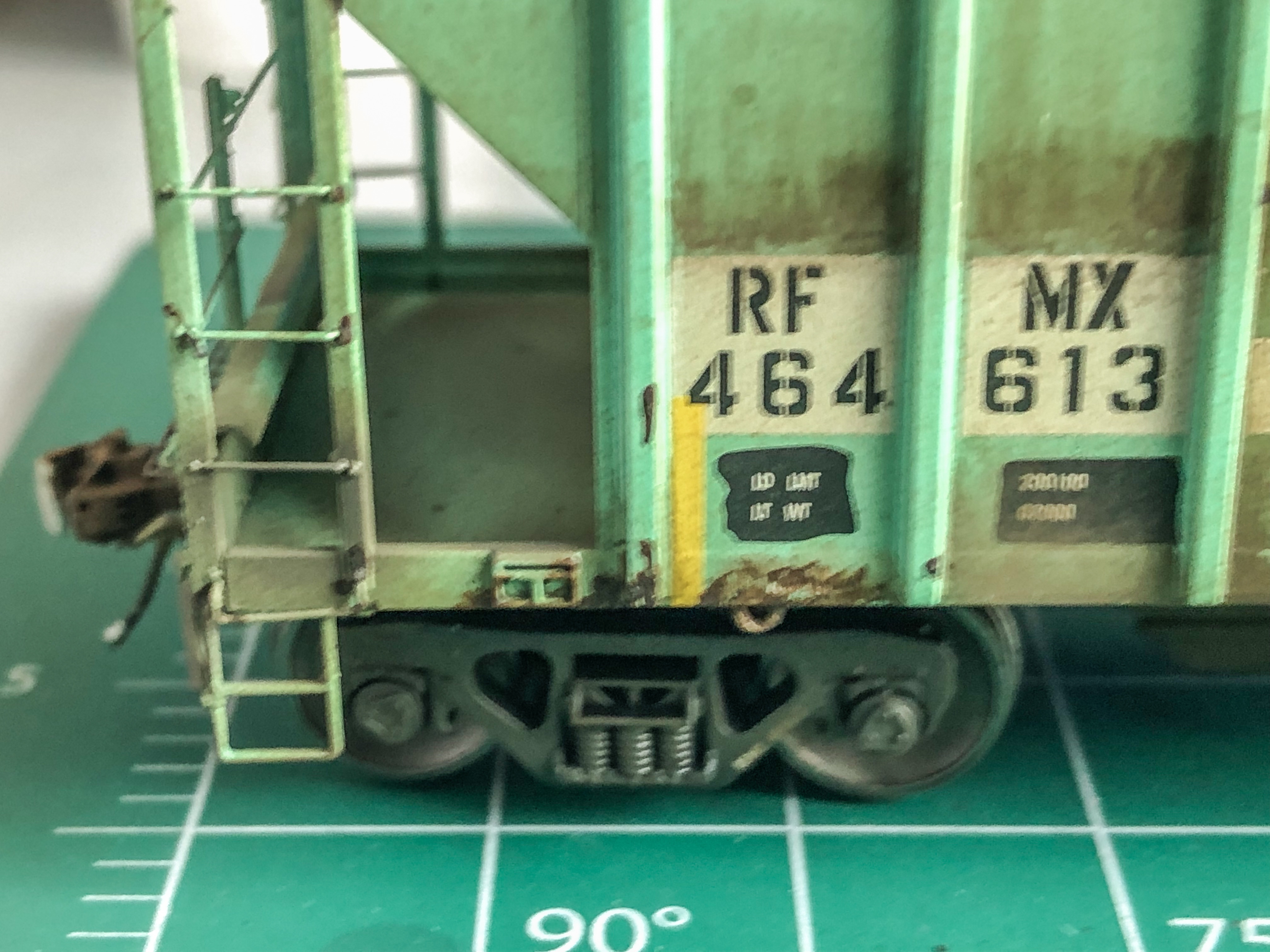
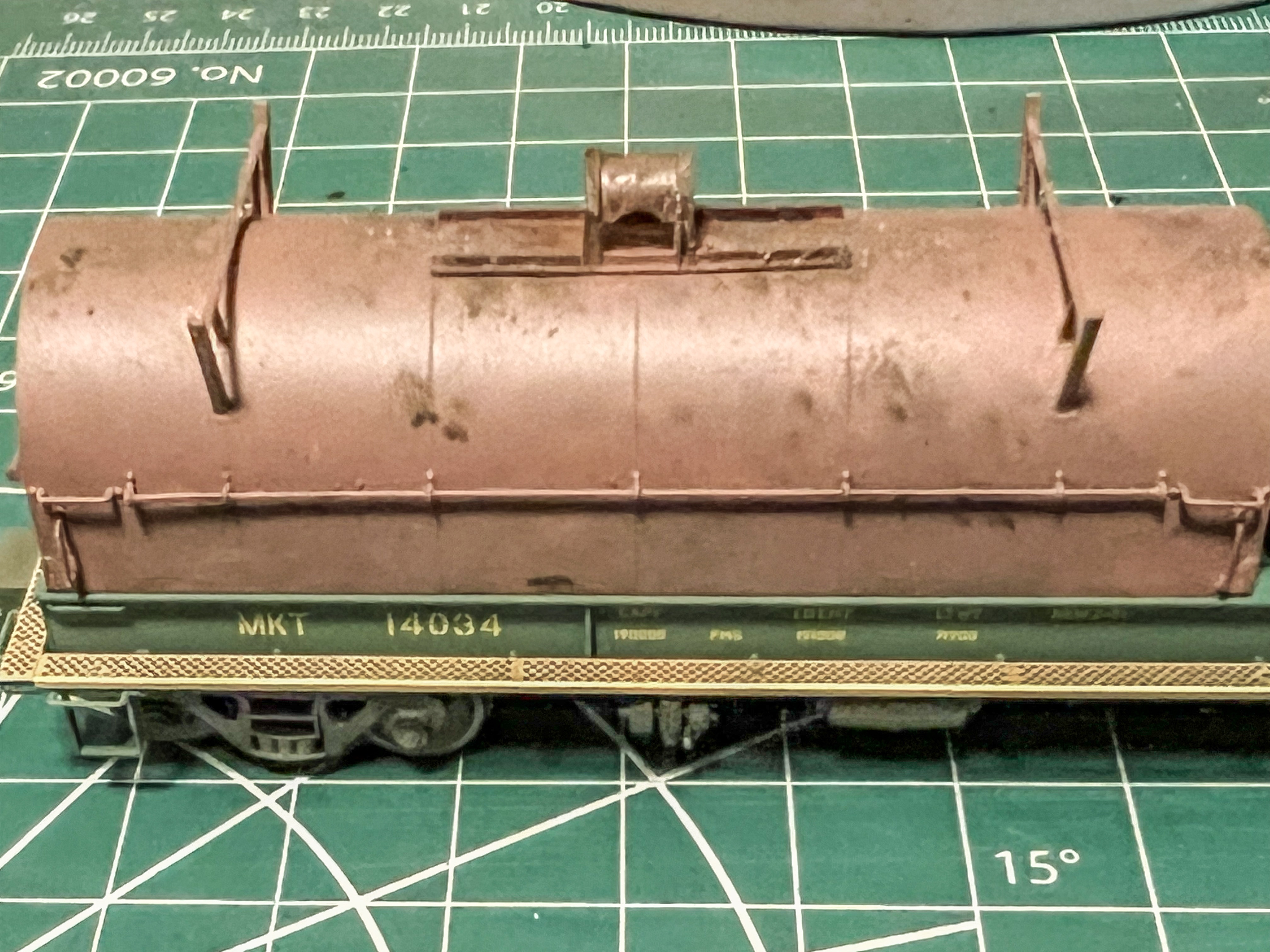
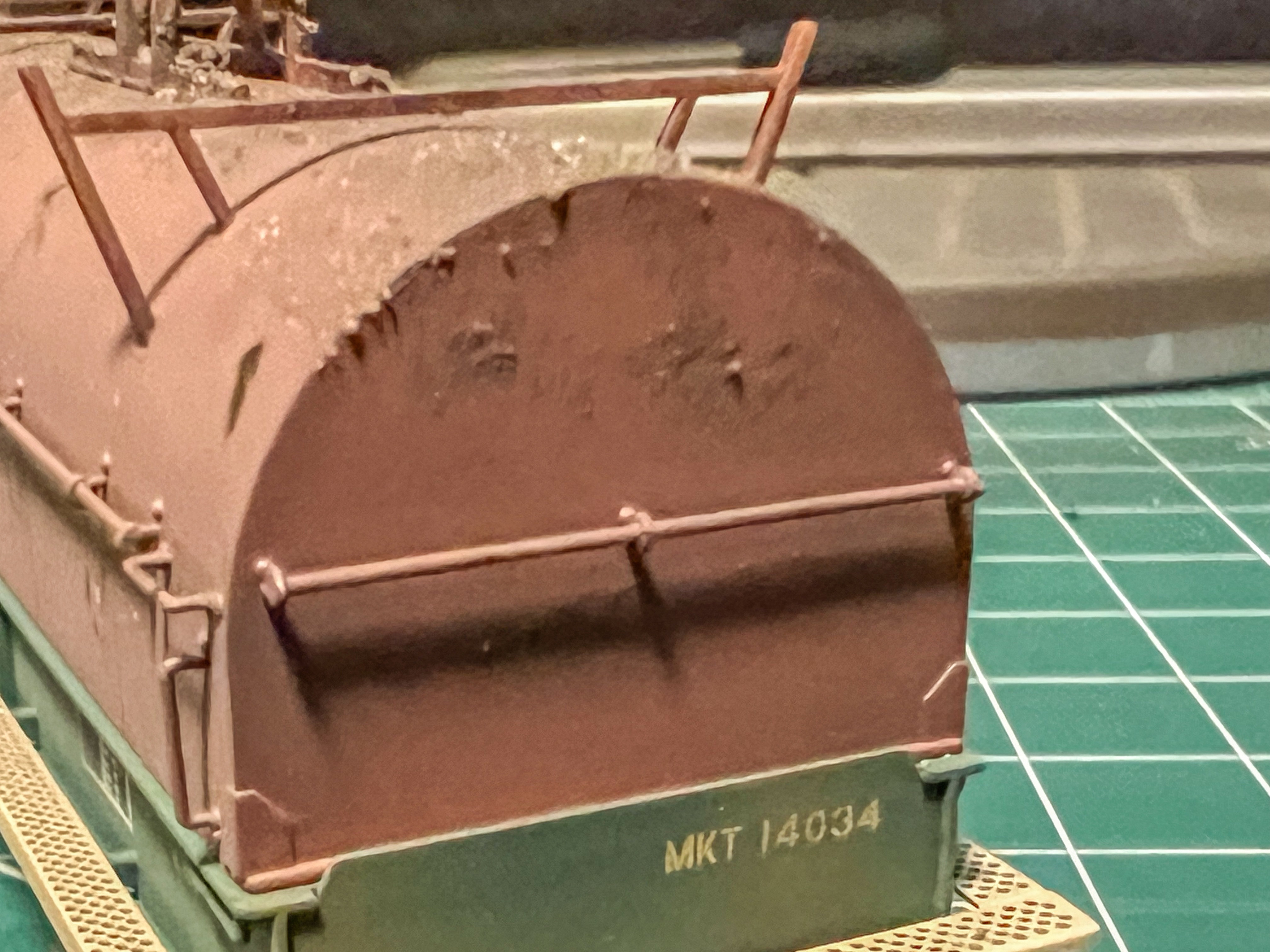
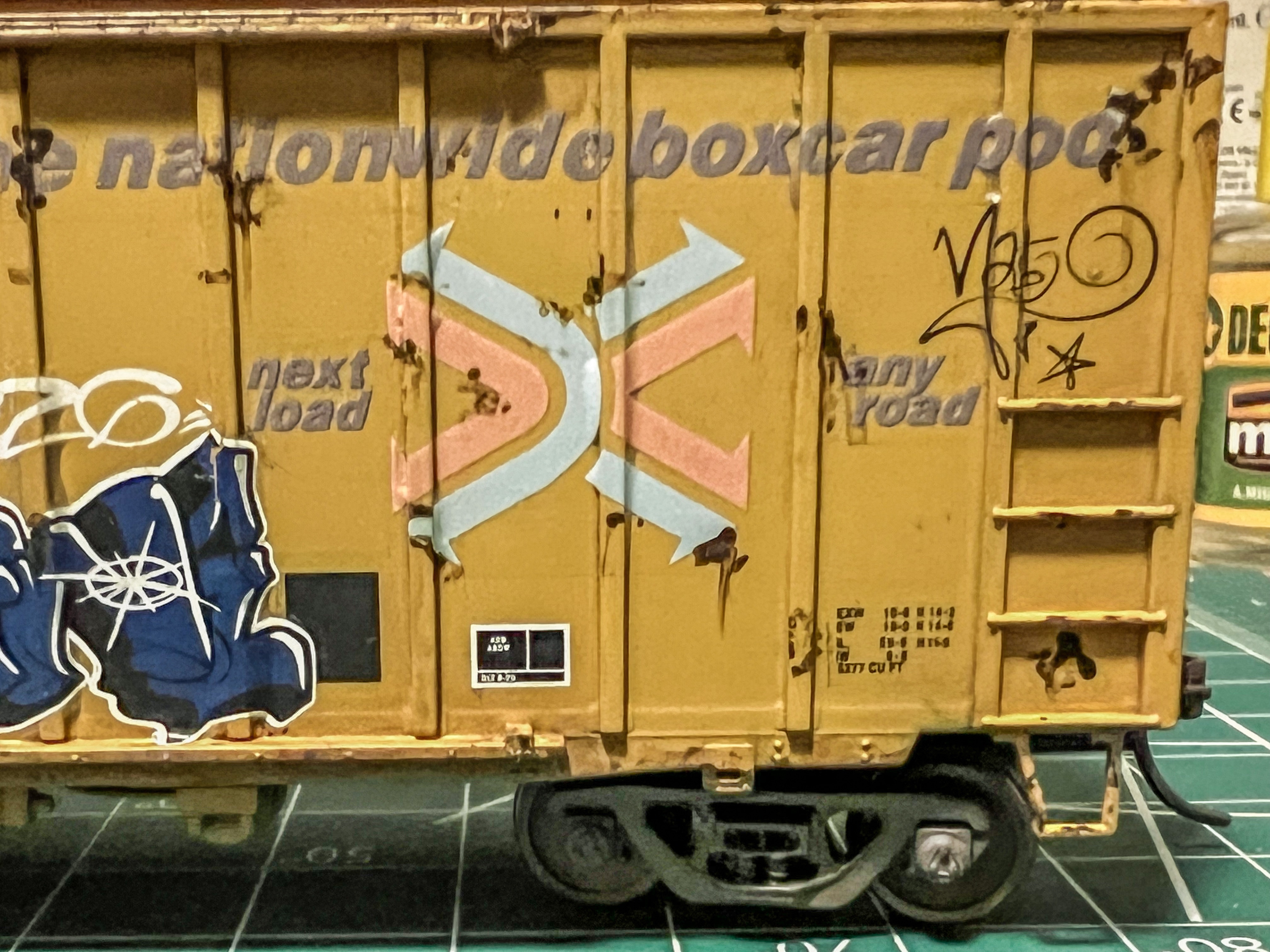
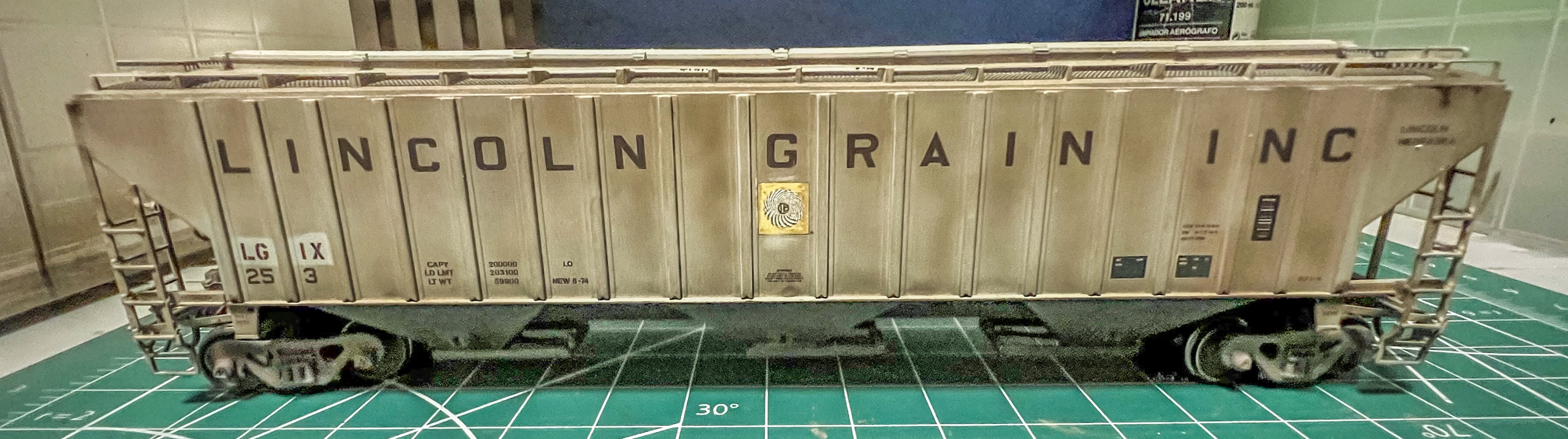
Below are a few more close-up examples of my weathering for clients:


 The Weathering Depot
Leave a comment